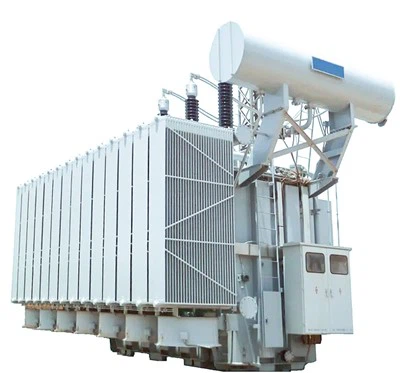
Insulation aging in pad-mounted transformers is a critical concern that directly impacts the reliability and lifespan of these essential electrical assets. As a supplier of pad-mounted transformers, I’ve witnessed firsthand the various factors that contribute to insulation aging and the importance of understanding them to ensure optimal performance. Pad Mounted Transformer
Thermal Stress
One of the primary factors influencing insulation aging is thermal stress. Pad-mounted transformers generate heat during normal operation due to the flow of electrical current through the windings and core. Excessive heat can accelerate the aging process of the insulation materials, leading to degradation and eventual failure.
The insulation materials used in pad-mounted transformers, such as paper and oil, have specific temperature limits beyond which their properties begin to deteriorate. When the operating temperature exceeds these limits, the insulation can become brittle, lose its dielectric strength, and develop cracks. These cracks can allow moisture and contaminants to penetrate the insulation, further accelerating the aging process.
To mitigate the effects of thermal stress, it’s essential to design pad-mounted transformers with proper cooling systems. This may include the use of radiators, fans, or oil circulation pumps to dissipate heat effectively. Additionally, monitoring the temperature of the transformer during operation and implementing temperature control measures can help prevent overheating and extend the lifespan of the insulation.
Electrical Stress
Electrical stress is another significant factor that can contribute to insulation aging in pad-mounted transformers. High-voltage electrical fields can cause ionization and partial discharges within the insulation, leading to the breakdown of the insulation material.
Partial discharges occur when the electrical stress exceeds the dielectric strength of the insulation at a specific point. These discharges can generate heat, ozone, and other byproducts that can damage the insulation over time. The frequency and magnitude of partial discharges can vary depending on the design of the transformer, the quality of the insulation materials, and the operating conditions.
To reduce the risk of electrical stress and partial discharges, it’s important to ensure that the insulation materials used in pad-mounted transformers have high dielectric strength and are properly designed and installed. Additionally, regular testing and monitoring of the transformer’s electrical performance can help detect and address any potential issues before they lead to insulation failure.
Moisture and Contamination
Moisture and contamination can also have a significant impact on the aging of insulation in pad-mounted transformers. Moisture can penetrate the insulation materials, reducing their dielectric strength and increasing the risk of electrical breakdown. Contaminants, such as dust, dirt, and chemicals, can also accumulate on the surface of the insulation, leading to the formation of conductive paths and increasing the risk of partial discharges.
To prevent moisture and contamination from affecting the insulation, it’s important to ensure that the transformer is properly sealed and protected from the environment. This may include the use of gaskets, seals, and enclosures to prevent the ingress of moisture and contaminants. Additionally, regular maintenance and cleaning of the transformer can help remove any accumulated dirt and debris and prevent the formation of conductive paths.
Mechanical Stress
Mechanical stress can also contribute to insulation aging in pad-mounted transformers. Vibration, shock, and mechanical forces can cause the insulation materials to crack, loosen, or become damaged. This can lead to the formation of voids and gaps within the insulation, increasing the risk of partial discharges and electrical breakdown.
To minimize the effects of mechanical stress, it’s important to design pad-mounted transformers with proper support and mounting systems. This may include the use of shock absorbers, vibration isolators, and rigid mounting structures to reduce the impact of mechanical forces on the transformer. Additionally, regular inspection and maintenance of the transformer can help detect and address any signs of mechanical damage before they lead to insulation failure.
Oxidation and Chemical Reactions
Oxidation and chemical reactions can also play a role in the aging of insulation in pad-mounted transformers. Over time, the insulation materials can react with oxygen, moisture, and other chemicals in the environment, leading to the formation of oxidation products and other degradation byproducts. These products can reduce the dielectric strength of the insulation and increase the risk of electrical breakdown.
To prevent oxidation and chemical reactions from affecting the insulation, it’s important to use insulation materials that are resistant to oxidation and chemical degradation. This may include the use of synthetic insulation materials, such as epoxy resins and silicone rubber, which have excellent chemical resistance and thermal stability. Additionally, the use of antioxidants and other additives can help slow down the oxidation process and extend the lifespan of the insulation.
Importance of Understanding Insulation Aging Factors
Understanding the various factors that contribute to insulation aging in pad-mounted transformers is crucial for ensuring the reliability and longevity of these electrical assets. By identifying and addressing these factors, transformer suppliers can design and manufacture transformers that are more resistant to aging and provide better performance over their lifespan.
For example, by using high-quality insulation materials, designing proper cooling and ventilation systems, and implementing regular maintenance and testing programs, transformer suppliers can help prevent insulation aging and extend the lifespan of their products. This can result in lower maintenance costs, reduced downtime, and improved overall reliability for the end users.
Conclusion
Insulation aging is a complex process that is influenced by a variety of factors, including thermal stress, electrical stress, moisture and contamination, mechanical stress, and oxidation and chemical reactions. As a supplier of pad-mounted transformers, it’s important to understand these factors and take steps to mitigate their effects to ensure the reliability and longevity of our products.
By designing and manufacturing transformers with high-quality insulation materials, proper cooling and ventilation systems, and robust mechanical support structures, we can help prevent insulation aging and provide our customers with transformers that perform reliably over their lifespan. Additionally, by implementing regular maintenance and testing programs, we can detect and address any potential issues before they lead to insulation failure, minimizing downtime and maintenance costs for our customers.
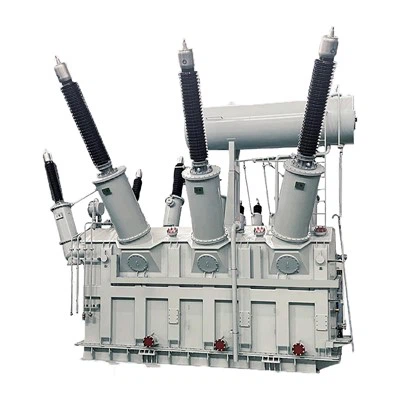
Oil Immersed Transformer If you’re in the market for pad-mounted transformers, I encourage you to contact us to discuss your specific needs. Our team of experts can provide you with detailed information about our products and help you select the right transformer for your application. We look forward to working with you to provide reliable and efficient electrical solutions for your business.
References
- IEEE Std C57.12.20-2010, "Standard for Pad-Mounted, Compartmental-Type, Self-Cooled, Three-Phase Distribution Transformers, 500 kVA and Smaller; High Voltage, 34,500 GrdY/19,920 Volts and Below; Low Voltage, 600 Volts and Below"
- IEC 60076-1:2011, "Power transformers – Part 1: General"
- ANSI C57.104-2008, "IEEE Guide for the Interpretation of Gases Generated in Oil-Immersed Transformers"
Nantong Yawei New Energy Technology Co., Ltd.
As one of the most professional pad mounted transformer manufacturers and suppliers in China, we’re featured by quality products and good service. Please rest assured to wholesale durable pad mounted transformer made in China here from our factory. Customized orders are welcome.
Address: Room 28-101, Building 27 and 28, No.333 Kaiyuan Avenue, Sunzhuang Subdistrict, Hai’an City, Nantong City, Jiangsu Province, China
E-mail: admin@nantongyawei.com
WebSite: https://www.nantongyawei.com/
