If you’ve ever stepped into an RV on a humid morning, you know that sticky, muggy air isn’t just uncomfortable—it’s a quiet threat to your space. Mold can grow on fabric sofas in 24 hours in high humidity, condensation warps wood cabinetry, and musty odors stick to everything you own. As a specialty dehumidifier supplier who’s worked with full-time RVers, weekend campers, and fleet operators for years, I’ve seen how choosing the wrong dehumidifier can turn a trip into a headache, and how the right one can make an RV feel like a true home. This guide breaks down what makes a dehumidifier “RV-friendly,” which types perform best, and how to pick the one that fits your needs—no guesswork required. Specialty Dehumidifier
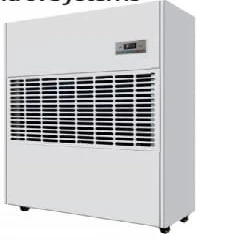
First, let’s set the unique challenges of RVs that regular home dehumidifiers can’t solve. RVs aren’t stationary; they move, often from cold dry climates to sweltering coastal or forested areas where humidity spikes. Their power is limited: most RVs run on 12V DC (for battery-powered use) or 120V AC (for shore power or generator use), so energy efficiency is non-negotiable. Space is also at a premium—even small Class B vans have less floor space than a closet, and large Class A motorhomes rarely have a spot for a bulky unit. And because RVs are constantly exposed to the elements, dehumidifiers need to handle temperature swings, low power environments, and the occasional jostling from rough roads without breaking. That’s why “one-size-fits-all” dehumidifiers rarely work for RVs; specialty models are built for these exact constraints.
Now, let’s dive into the three main types of specialty dehumidifiers for RVs, and which stands out as the best choice for most users. The first is desiccant dehumidifiers, which use a material like silica gel or molecular sieve to absorb moisture from air. Unlike refrigerant dehumidifiers (the kind you use in your basement), desiccant models work well in low temperatures—perfect for campers who use their RV in cool mountain areas or shoulder seasons, where refrigerant units lose efficiency. The second is refrigerant dehumidifiers, which pull air over cold coils to condense moisture; they’re ideal for warm, humid climates, but struggle in temperatures below 65°F. The third is thermoelectric dehumidifiers, small, lightweight units often used in tiny spaces, but they’re less efficient than the other two and only work for spaces under 500 cubic feet—great for a van’s cargo area, but not a 30-foot Class A’s living space.
For most RVers, desiccant dehumidifiers are the best all-around pick. Here’s why: they perform across a wider temperature range (35°F to 100°F, which covers nearly every RV use case), are more energy-efficient for intermittent use (like weekend trips), and require less maintenance than other types. Let’s break down the key features that make a top-tier RV desiccant dehumidifier worth the investment.
First, power source compatibility. The best specialty RV dehumidifiers let you run on both 12V DC (for battery operation when boondocking) and 120V AC (for shore power or hookups). This flexibility means you don’t have to leave a generator running all weekend to keep humidity low, which saves fuel and reduces noise. Look for units with automatic voltage regulation—this prevents damage from fluctuating power, a common issue in RV parks with old electrical systems.
Next, moisture removal capacity. RVs come in all sizes, so don’t buy a dehumidifier rated for a 100-square-foot van if you have a 35-foot motorhome. A general rule of thumb: for Class B vans (150-300 cubic feet), aim for 10-20 pints of moisture removal per day. For Class C motorhomes (300-600 cubic feet), 20-30 pints. For Class A motorhomes or towable trailers (600+ cubic feet), 30-50 pints. But remember: desiccant dehumidifiers are rated differently than refrigerant units, so make sure the spec is tailored to low temperatures, not the warm room conditions home units use.
Portability and space design. RVs have limited space, so look for compact units that can mount to a wall, sit on a counter, or slide into a cabinet without blocking vents or walkways. Many top specialty dehumidifiers for RVs have handles or built-in hooks for easy transport when you’re cleaning or storing your RV. Avoid units that are heavier than 20 pounds—you’ll be moving it every time you set up or break down camp, and lifting a 50-pound unit into a van is a hassle.
Condensation management is another critical detail. A dehumidifier that collects water in a tank is fine for small trips, but for full-time RVers or long stays (a week or more), you’ll need a unit that hooks up to a standard RV wastewater hose to drain continuously. Look for units with a low-tank shutoff feature too—this prevents spills if you forget to empty the tank while you’re out hiking.
Noise level matters, too. No one wants a dehumidifier loud enough to drown out the sound of rain or a conversation at dinner. The best RV dehumidifiers operate at 35-45 decibels, about as quiet as a library or soft conversation. Avoid units over 50 decibels, which will be disruptive at night or during quiet hours at campgrounds.
Now, let’s compare when desiccant is the best choice, and when another type might work for you. If you’re a full-time RVer who travels between cold, humid places (like Pacific Northwest forests or mountain areas in spring and fall), desiccant is non-negotiable. Refrigerant units will lose their ability to pull moisture when temperatures drop, leaving you with damp air and mold. If you only use your RV in warm, humid climates (like Florida or the Gulf Coast) and never camp below 65°F, a high-quality refrigerant dehumidifier could work for you, but you’ll need to replace it every 2-3 years, since refrigerant units wear out faster in mobile environments. Thermoelectric dehumidifiers are only a good pick for tiny spaces, like a RV’s bathroom or closet, not the main living area.
I’ve also seen common mistakes RVers make when choosing a dehumidifier, so let’s clear those up. First, don’t skimp on power. A cheap 12V dehumidifier might save you money upfront, but it could drain your RV battery overnight if it’s not energy-efficient. Look for units with Energy Star ratings or internal power management that only runs when humidity exceeds 50% (the EPA’s recommended level for indoor air quality). Second, don’t forget about airflow. RVs have tight insulation, so a dehumidifier needs to push air through all the nooks and crannies where mold grows—behind cabinets, under beds, in closet corners. Look for units with built-in fans that move at least 50 cubic feet per minute (CFM) to ensure full air circulation. Third, don’t ignore maintenance. RV dehumidifiers are exposed to dust, pollen, and moisture, so you’ll need to clean the filter every 2-4 weeks. The best specialty units have washable, reusable filters, so you don’t have to buy expensive replacements.
If you’re a boondocker, off-grid camper, or full-time RVer, there are extra features to look for. Built-in hygrostats let you set your desired humidity level (ideally 40-50% for RVs) so the dehumidifier only runs when needed, saving battery and power. Some units also have UV-C lights to kill bacteria and mold spores as they cycle air, adding an extra layer of protection. For people who store their RV for winter, a small, low-power desiccant dehumidifier is perfect for keeping humidity low in a closed space, preventing mold growth while you’re away.
Let me share a quick case study to put this in perspective. Last year, a couple from Seattle reached out to me, saying they’d had three different dehumidifiers for their 28-foot Class C over two years, all of which had broken or failed during their spring trips to the Olympic Mountains. Their previous units were home refrigerant models, designed for 70°F+ temperatures, and when it dipped to 40°F at night, they stopped working entirely. They ended up switching to a compact desiccant specialty dehumidifier we supply, which runs on both 12V and 120V, has a 25-pint daily moisture rating for low temps, and a 40-decibel quiet mode. They told us later that on their two-week camp trip, they never had a mold spot, no musty odors, and their battery didn’t drain overnight because the unit only ran when humidity hit 50%. That’s exactly the kind of win we love to see.
Now, how do you narrow down the right unit for your specific RV? First, measure your RV’s total interior volume (length x width x height) to calculate the space you need to dehumidify. Then, note your typical camping climate—if you travel to cool, humid areas, stick with desiccant; if you only go to warm, dry areas, refrigerant might work. If you’re a boondocker, prioritize 12V compatibility and battery life. If you’re a weekend camper, portability and noise level should be top of mind.
A quick tip for installation: Most RV dehumidifiers work best when placed in a central area, like the living room, so air circulates evenly. If you have a larger RV, you might need two smaller units instead of one large one, to avoid dead spots. If you’re mounting it, make sure it’s at least a few inches away from walls and furniture to prevent airflow blockage.
If you’re still unsure which specialty dehumidifier is right for your RV, don’t hesitate to reach out. We’ve worked with hundreds of RV owners, from first-time weekend campers to full-time fleet operators, and can help you match your space, climate, and usage to the best unit. Whether you need a compact model for a Class B van or a heavy-duty one for a 40-foot Class A, we’ll make sure you get the right fit to keep your RV comfortable, mold-free, and ready for your next trip.
Precision Air Conditioner References
ASHRAE Standard 62.1-2022: Ventilation for Acceptable Indoor Air Quality, American Society of Heating, Refrigerating and Air-Conditioning Engineers
RV Industry Association: 2023 RV Maintenance and Health Guidelines for Humidity and Mold Prevention
U.S. Environmental Protection Agency: Guidelines for Indoor Humidity Control in Recreational Vehicles
International Organization for Standardization (ISO) 16500:2019: Energy Efficiency of Dehumidifiers for Mobile Residential and Commercial Spaces
Hangzhou Dayu HVAC Engineering Co., Ltd.
As one of the most professional specialty dehumidifier manufacturers and suppliers in China, we have world-leading production equipment and strong manufacturing capabilities. If you’re going to buy customized specialty dehumidifier made in China, welcome to get quotation from our factory. For price consultation, contact us.
Address: Room 1004, Building 1, Xicheng Business Tower, Xihu District, Hangzhou City, Zhejiang Province, China
E-mail: info@hi-hvac.com
WebSite: https://www.hi-hvac.com/
