Hey there! As a Spigot supplier, I know how important it is to keep your Spigot server up – to – date. In this blog, I’ll walk you through the process of updating Spigot, share some tips, and explain why it’s crucial for your server’s performance. Spigot
Why Update Spigot?
First off, let’s talk about why you should bother updating Spigot. When you update, you get access to the latest features that the Spigot team has been working on. These features can range from new commands to improved performance optimizations. For example, the latest update might include better memory management, which means your server can handle more players without crashing.
Security is another big reason. Cyber threats are constantly evolving, and Spigot developers are always on top of patching security vulnerabilities. By not updating, you’re leaving your server exposed to potential attacks. Hackers can exploit outdated software to gain unauthorized access, steal data, or disrupt your server.
And let’s not forget about compatibility. As new Minecraft versions come out, your Spigot server needs to be updated to work seamlessly with them. If you don’t update, you might run into issues with plugins or even have a hard time getting new players to join your server because it’s not compatible with the latest Minecraft client.
Pre – Update Preparations
Before you jump into the update process, there are a few things you need to do. First, make a full backup of your server. This includes all your world files, plugins, and configuration settings. You can use a tool like FileZilla to connect to your server via FTP and download all the necessary files. Trust me, it’s better to be safe than sorry. If something goes wrong during the update, you can easily restore your server to its previous state.
Next, check the release notes for the new Spigot version. The developers usually provide detailed information about what’s new, any breaking changes, and how to address them. This will give you an idea of what to expect and if you need to make any adjustments to your plugins or configuration.
It’s also a good idea to inform your players about the upcoming update. Let them know when the server will be down and for how long. You can do this through in – game announcements, your server’s website, or social media channels. This way, your players won’t be caught off guard and will understand why they can’t access the server during the update.
The Update Process
Now, let’s get into the actual update process. The first step is to download the latest Spigot jar file. You can head over to the official Spigot website and find the download link for the version you want. Make sure you’re downloading the correct version that’s compatible with your Minecraft version.
Once you’ve downloaded the jar file, stop your server. You can do this through your server control panel or by using the appropriate command in your server console. After the server has stopped, replace the old Spigot jar file with the new one. You can do this by uploading the new jar file to the same directory where the old one was located.
Before you start the server again, it’s a good idea to check your plugins. Some plugins might not be compatible with the new Spigot version. You can either update the plugins to their latest versions or remove the ones that aren’t working. You can usually find the latest versions of plugins on the official Spigot plugin repository.
Now, start your server. Keep an eye on the console for any error messages. If you see any, it could be a sign that there’s an issue with a plugin or your configuration. You might need to troubleshoot the problem by checking the plugin documentation or reaching out to the plugin developer for support.
Post – Update Checks
After the server has started successfully, it’s time to do some post – update checks. First, test all your plugins to make sure they’re working as expected. Try using different commands and features that rely on the plugins. If you notice any issues, you might need to go back and re – check the plugin compatibility or configuration.
Check your server’s performance. You can use tools like Minecraft server monitoring software to see how the server is running. Look at metrics like CPU usage, memory usage, and player count. If you notice any significant changes in performance, it could be a sign that something went wrong during the update.
Also, check your world files to make sure they’re still intact. Sometimes, an update can cause issues with world generation or loading. If you notice any problems with the world, you might need to restore the backup you made earlier.
Tips for a Smooth Update
Here are some tips to make the update process as smooth as possible. First, always test the update on a test server before applying it to your live server. This way, you can catch any issues early and fix them without affecting your players.
Keep a record of all the changes you make during the update. This includes any plugin updates, configuration changes, or server settings. This will make it easier to troubleshoot if something goes wrong.
And don’t be afraid to ask for help. If you’re having trouble with the update process, there are plenty of online communities and forums where you can get support. You can also reach out to me as your Spigot supplier, and I’ll do my best to assist you.
Conclusion

Updating Spigot is an essential part of running a successful Minecraft server. It gives you access to new features, improves security, and ensures compatibility with the latest Minecraft versions. By following the steps I’ve outlined in this blog, you can update your Spigot server with confidence.
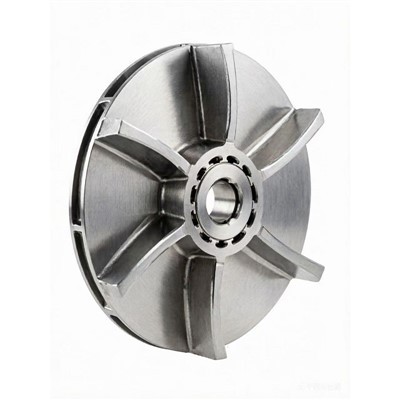
Pump Impeller If you’re interested in purchasing Spigot or need any assistance with updates or server management, don’t hesitate to reach out. We’re here to help you keep your server running smoothly and provide the best experience for your players.
References
- Spigot official documentation
- Minecraft server community forums
Shandong Shunye Stainless Steel Co., Ltd.
Address: Shandong Province, Binzhou City, Wudi County, Liubao Town, Zhangdong Road, Duliucun Village
E-mail: sales@wdshunye.com
WebSite: https://www.shunyecasting.com/
