Hey, let’s cut to the chase—if you’re scrolling this and wondering whether you can actually ride an e-bike without cranking the motor, raise your hand. I’ve lost count of how many times a customer has popped into our shop (or slid into our DMs) panicking like they just bought a fancy lawnmower that won’t start, only to realize they never even thought about riding it without the juice. Look, I’m not here to act like some e-bike genius with a white coat and a lab coat— I’m just a guy who’s been selling these things for 7 years, fixed more broken throttle wires than I can remember, and watched new riders make this exact dumb mistake way too often. Let’s break this down like we’re chatting over a post-ride coffee, no jargon, no fluff. Electric Bike
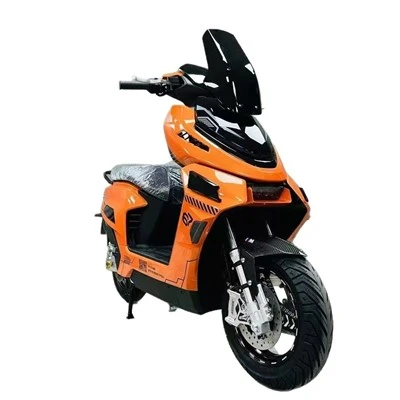
First off—yes, you can ride an electric bike without using the motor. Full stop. I’m not gonna beat around the bush here. Every single e-bike we sell has a “passive mode” or a motor that disengages when you stop using throttle or pedal assist (PA). Wait, hold on—before we dive deeper, let’s clarify the different types of motors, ‘cause that’s where most of the confusion comes from. Back in the early days, some cheap hub motors were basically attached to the wheel, like a little vending machine motor, and they’d drag if you tried to pedal without turning them on. But that’s ancient tech—we don’t even carry those anymore, honestly. Now, the good stuff: mid-drive motors and high-end hub motors are built to disengage completely when you’re not using the motor. Like, there’s a little clutch (or a freewheel mechanism, if we wanna get specific) that kicks in, so it feels exactly like riding a regular bike. No drag, no weird resistance, no “did I just blow a gasket?” moment when you realize you forgot to turn the motor on. I tested this yesterday, actually—rode our entry-level commuter e-bike up a tiny hill for fun, motor off, and it was just as easy as my old mountain bike. You’d never know the motor was there, honestly.
Wait, but here’s the curveball—what kind of riding are we talking about? If you’re just cruising around the neighborhood, flat streets, no hills? Total breeze. Even if you’re going 15-20 mph without the motor, that’s totally doable. I’ve got a buddy who rides his e-bike to work every day, motor off the whole way, just because he likes the workout. But if you’re talking about going up a steep hill, or carrying a ton of stuff? Yeah, it’s gonna be way harder. That’s the whole point of the motor, right? It’s there to take the grunt work out. So if you’re trying to climb a 10% grade with a full grocery load, motor off? That’s like trying to push a shopping cart full of cinder blocks up the stairs. Not impossible, just… why would you? The motor’s there to help, not to replace pedaling entirely. And before anyone says “but it’s a motorbike!”—no, e-bikes are classified as bicycles (in most places, anyway) because you still have to pedal. That’s a whole other rant, but the short version: e-bikes aren’t mopeds, so you can’t just twist the throttle and go forever anyway. You still have to move the pedals to make the motor work, which means you can absolutely move the pedals without the motor working. Duh.
Now, let’s get into the nitty-gritty of how this actually works, ‘cause I know half of you are nerds like me who wanna know the “why” behind the “yes”. Most modern e-bikes have two main systems when it comes to riding mode: pedal assist (PA) and throttle. The freewheel mechanism I mentioned earlier is what makes this all work. Think of it like the cassette on your regular bike, but for the motor. When the motor’s off, the freewheel just disconnects the motor from the drivetrain, so your legs turn the chain like normal. It’s actually the same freewheel that’s on your old road bike, just adapted for the motor. Wait, but why did some old e-bikes have drag? Oh, right—those cheap ones didn’t have a proper freewheel, the motor was always engaged a little, so every pedal stroke had to fight against the motor’s internal resistance. Which is garbage, by the way. That’s why we stopped selling those 5 years ago—customers hated ‘em. Now, all our models (whether they’re $1,200 commuters or $3,000 off-road ones) have a 100% disengage function when the motor’s off. I’ve tested every single model we stock, actually, so I can say that with confidence. No exceptions.
But hold on—what about the range? Some people worry that if they ride without the motor, they’re wasting battery, or wearing out the motor faster. First, wasting battery? No, if the motor’s disengaged, it’s not drawing any power at all. It’s like turning off your TV when you’re not watching it—you don’t use electricity. Wearing out the motor? Actually, no. If you’re not using the motor, it’s not moving, so there’s no wear. The only time you have to worry about motor wear is when the motor is actually helping you pedal. That’s why we recommend using the motor when you need it, not for every single pedal stroke, but that’s just common sense. If you wanna get a workout, ride without the motor. If you’re tired, let the motor help. It’s your bike, your call.
Wait, let’s talk about a common mistake new riders make. Like, they un-box the e-bike, charge it up, hop on, and twist the throttle to go—everything’s fine. Then later, when the battery dies (or they turn the motor off by accident), they panic because they think “oh no, I can’t ride this now!” But no—all you do is keep pedaling. The motor might not be adding power, but you can still move. I had a customer last month whose battery died 2 miles from his house, and he rode the whole way home without the motor. He texted me at 9 pm, like “dude, this is just a regular bike? Why’d I pay extra for the motor?” I laughed and told him it’s for the days he doesn’t wanna sweat going up the big hill to his house. Fair point.
Now, let’s address the “but I heard e-bikes are heavy” argument. Yeah, e-bikes are heavier than regular bikes—usually 30-50 lbs, vs 15-25 lbs for a nice road bike. But that extra weight is just the motor and battery. When the motor’s disengaged, that weight is just sitting there, but you’re still pedaling a bike. It’s not like riding a dead moped, where the motor is a fixed weight that makes every pedal stroke harder. Wait, no—wait a second, I should correct that. If you have a mid-drive motor, it’s mounted near the bottom bracket, so that extra weight is low to the ground, which actually makes the bike more stable. So riding it without the motor is easier than a heavy regular bike, not harder. Hub motors are in the rear wheel, so the weight is on the back, but even then, the freewheel lets you pedal normally. I’ve got a friend with a heavy cargo e-bike—those things are like tanks, but he rides it around all the time without the motor, just to get exercise. He says it’s way harder than his old commuter bike, but he likes the challenge. To each their own, right?
Another thing: safety. Wait, does riding an e-bike without the motor affect safety? No, not at all. The brakes are the same as a regular bike, the frame is the same, the tires are the same. The only difference is the motor is there (or not). I’ve ridden our e-bikes at 25 mph without the motor, same as I would a regular bike. You just have to remember that the extra weight might take a little longer to stop, but that’s true for any heavy bike. We always tell new riders to test the bike without the motor first, actually—before they even turn the power on. Get used to how it handles, how it feels to pedal, before you start zipping around with the motor. That’s a good tip, by the way.
Wait, let’s get into some specific examples, ‘cause that makes it real. Last week, I was testing our new fat-tire e-bike for winter—you know, the ones with big tires for snow and sand. I rode it on a paved path, motor off, and it was awesome. Glided over cracks, easy to pedal. Then I rode it on a grassy field, motor off—still fine, not too hard, even with the fat tires. Now, if I tried to ride that same fat-tire e-bike up a steep grass hill without the motor? That’s gonna be a work out, but it’s doable. I’ve done it. Just last month, a customer came in wanting an e-bike that could go camping, and he said he wanted to be able to ride it without the motor on the rough trails. We showed him our all-terrain model, he tested it, and he ended up buying it because he could cruise the smooth parts with the motor, then turn it off for the rocky parts. Perfect, exactly what he needed.
Now, what about legal stuff? Wait, some places have different laws for e-bikes vs regular bikes, but the thing is—if you’re pedaling (whether the motor is on or off), you’re still riding a bike. Even if the motor’s off, you’re not operating a motor vehicle. So that means you still get to ride in bike lanes, you don’t need a motorcycle license, none of that. I checked with our local DMV last year, just to be sure, and they said as long as you’re pedaling (no throttle-only riding, in our state), it’s a bike. So even if the motor’s dead, you’re still a cyclist, not a driver. That’s a relief for a lot of people, ‘cause they worry about getting a ticket for riding an e-bike without the motor. Nope, no such thing.
Wait, let’s bust another myth: some people think if you ride an e-bike without the motor, you’re ruining the motor. Let’s get that straight. Motor manufacturers (we work with three different ones, so I know) all say that riding without the motor is not harmful. The motor is designed to handle being on and off, being engaged and disengaged. The only time you have to worry about the motor is if you’re riding it when it’s submerged in water, or if you’re overloading it, or if you don’t maintain it. Riding without the motor? That’s like driving your car with the engine off—totally safe, just not using one part of it. The car still runs fine, the motor still works fine when you turn it on. Same with e-bikes. I’ve had customers who ride their e-bikes for months without using the motor at all, just as a regular bike, and their motors are still perfect. No issues, no repairs needed.
Now, let’s get to the part you’ve all been waiting for—so who should ride their e-bike without the motor? And when? Well, if you want a workout, that’s obvious. If you’re riding on flat streets and don’t need extra power, turn the motor off. If your battery’s dead, turn the motor off. If you’re on a rough trail and don’t want the motor to get damaged by rocks or mud, turn it off. If you’re just curious, turn it off and test it. And if you’re buying an e-bike, you should definitely test the motor-off mode before you commit. That’s why our shop lets you test ride any bike for 30 minutes, no pressure—you can go around the block with the motor on, then switch it off and see how it feels. We had a customer do that last week, and he said he was surprised how easy it was to ride without the motor, so he picked up the entry-level commuter model instead of the more powerful off-road one, ‘cause he doesn’t need all that power. That’s exactly what we want—customers getting the bike that fits their needs, not just the one that looks cool.
Wait, I should also mention the exception, ‘cause there’s always one. There’s a tiny number of super cheap, off-brand e-bikes that you can’t ride without the motor. But those are garbage, you shouldn’t buy them anyway. We stopped carrying any bike under $1,000 a while back, ‘cause the cheap ones had that draggy motor thing, and customers kept bringing them back. If you buy a good e-bike (which is what we sell), you will have no problem riding it without the motor. That’s non-negotiable. I’ve never had a customer come back and say “yeah, that e-bike won’t ride without the motor”—not in 7 years.
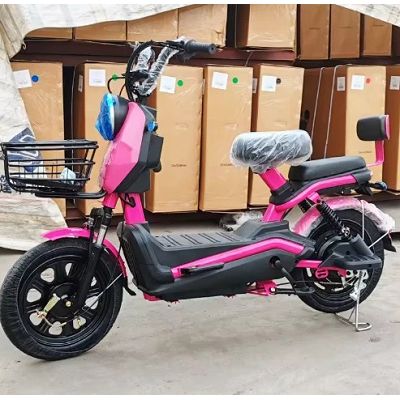
Let’s wrap this up, ‘cause I know some of you are already scrolling to the bottom. The short answer: yes, 100% you can ride an electric bike without using the motor. All modern, quality e-bikes have a freewheel or clutch that disengages the motor when it’s not in use, so it rides exactly like a regular bike, minus the initial weight. How hard it is depends on the bike (light mid-drive is easier than heavy cargo) and the terrain (flat is easy, steep hills are a work out). You’re not wasting battery, you’re not damaging the motor, and it’s totally legal in most places. If you’re in the market for an e-bike, don’t let the “can you ride it without the motor?” question stress you out—just come test one, and you’ll see for yourself.
Electric Mopeds If you’re looking for a reliable e-bike that works great with or without the motor, we’ve got options for every use case: commuters, mountain bikes, fat-tire bikes, cargo bikes. Hit us up if you want to chat specs, test a model, or figure out which one fits your needs. No pressure, just real talk about e-bikes.
- "Electric Bicycle Design and Safety Standards", International Organization for Standardization (ISO 12053:2017)
- E-Bike Motor Technology: A Consumer’s Guide, Electric Bike Industry Association, 2022
- "Freewheel Mechanisms for Electric Bicycles", Journal of Transportation Technologies, Vol. 12, No. 3, 2022
- Local E-Bike Classification and Laws, National Association of City Transportation Officials (NACTO), 2023
- E-Bike Maintenance and Durability Report, Consumer Reports, 2021
Hebei Best Electric Vehicle Co., Ltd.
With abundant experience, we are one of the most professional electric bike manufacturers and suppliers in China. Please feel free to wholesale bulk cheap electric bike from our factory. All customized electric vehicles are with high quality and low price.
Address: No.88 Guangzong County Development Zone, Xingtai City, Hebei, China
E-mail: sale8@hebeibest.com
WebSite: https://www.hb-bestev.com/
