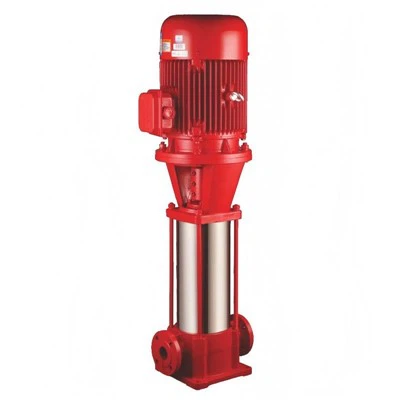
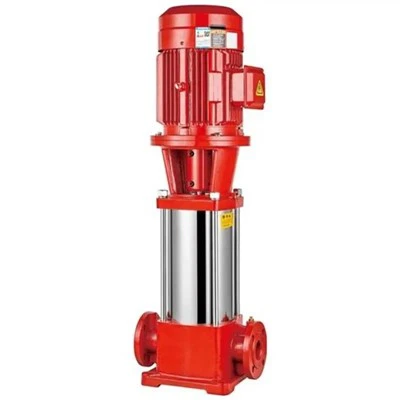
As a supplier of vertical multistage pumps, I’ve had the privilege of witnessing the crucial role these machines play in various industries. Understanding the start – up procedure of a vertical multistage pump is not only essential for its proper functioning but also for ensuring its longevity. In this blog, I’ll walk you through the comprehensive start – up procedure of a vertical multistage pump. Vertical Multistage Pump
Pre – start – up Checks
Before starting the vertical multistage pump, a series of pre – start – up checks must be carried out. These checks are designed to identify any potential issues and ensure that the pump is in optimal condition for operation.
Visual Inspection
The first step is a thorough visual inspection of the pump. Check for any visible signs of damage, such as cracks in the casing, loose bolts, or worn – out gaskets. Inspect the motor for any signs of overheating or damage to the electrical connections. Also, ensure that the pump is properly aligned with the motor. Misalignment can cause excessive vibration and premature wear of the pump components.
Lubrication
Lubrication is crucial for the smooth operation of the pump. Check the lubricant levels in the bearings and the gearbox, if applicable. Use the recommended lubricant as specified in the pump’s manual. Over – lubrication or under – lubrication can both lead to problems. Too much lubricant can cause overheating, while too little can result in increased friction and wear.
Suction and Discharge Piping
Inspect the suction and discharge piping for any blockages or leaks. Make sure that the valves in the suction and discharge lines are fully open. A partially closed valve can restrict the flow of fluid and cause the pump to operate inefficiently. Also, check the piping for proper support to prevent any stress on the pump due to the weight of the pipes.
Electrical System
Verify that the electrical supply to the pump is correct. Check the voltage and frequency of the power source to ensure that it matches the pump’s requirements. Inspect the electrical wiring for any signs of damage or loose connections. A faulty electrical system can not only prevent the pump from starting but also pose a safety hazard.
Priming the Pump
Priming is an important step in the start – up process of a vertical multistage pump. The purpose of priming is to remove the air from the pump and the suction piping and fill it with the fluid to be pumped.
Manual Priming
For smaller vertical multistage pumps, manual priming can be done. This involves opening the priming port on the pump and filling the pump and the suction piping with the fluid. Make sure that all the air is expelled from the system. Once the pump is filled with fluid, close the priming port.
Automatic Priming
Some vertical multistage pumps are equipped with automatic priming systems. These systems use a combination of valves and controls to automatically prime the pump. When the pump is started, the automatic priming system removes the air from the pump and the suction piping and fills it with fluid.
Starting the Pump
Once all the pre – start – up checks are completed and the pump is primed, it’s time to start the pump.
Initial Start
Before starting the pump, make sure that all the safety devices are in place and functioning properly. Switch on the power supply to the pump. Observe the pump as it starts. Listen for any abnormal noises, such as rattling or grinding, which could indicate a problem. Check the motor current to ensure that it is within the normal operating range.
Monitoring the Pump
After starting the pump, closely monitor its performance. Check the pressure and flow rate of the fluid being pumped. Compare the actual values with the pump’s specifications. If the pressure or flow rate is significantly different from the expected values, there may be a problem with the pump or the piping system.
Adjusting the Pump
If necessary, make adjustments to the pump to optimize its performance. This may involve adjusting the speed of the motor or the position of the valves in the piping system. However, any adjustments should be made in accordance with the pump’s manual and only by a qualified technician.
Post – start – up Checks
After the pump has been running for a short period, perform a series of post – start – up checks.
Temperature Checks
Check the temperature of the pump and the motor. Excessive temperature can indicate a problem with the pump, such as overloading or poor lubrication. Use a temperature gun to measure the temperature at various points on the pump and the motor.
Vibration Checks
Monitor the vibration of the pump. Excessive vibration can cause damage to the pump components and reduce its lifespan. Use a vibration meter to measure the vibration levels. If the vibration levels are outside the normal range, investigate the cause and take appropriate action.
Leak Checks
Inspect the pump and the piping system for any leaks. Check the seals and gaskets for signs of leakage. A leak can not only result in the loss of fluid but also pose a safety hazard.
Troubleshooting Common Issues
Even with proper start – up procedures, issues may arise during the operation of the vertical multistage pump. Here are some common issues and their possible solutions:
Low Flow or Pressure
If the pump is delivering low flow or pressure, check for blockages in the suction or discharge piping. Also, check the impellers for wear or damage. A worn – out impeller can reduce the pump’s efficiency.
Excessive Vibration
Excessive vibration can be caused by misalignment of the pump and the motor, unbalanced impellers, or loose bolts. Check the alignment of the pump and the motor and tighten any loose bolts. If the impellers are unbalanced, they may need to be replaced.
Overheating
Overheating can be caused by overloading, poor lubrication, or a faulty cooling system. Check the motor current to ensure that the pump is not overloaded. Check the lubricant levels and the cooling system for proper operation.
Pole-Changing Two-Speed Three-Phase Motor In conclusion, the start – up procedure of a vertical multistage pump is a critical process that requires careful attention to detail. By following the steps outlined in this blog, you can ensure that your pump starts smoothly and operates efficiently. If you’re in the market for a high – quality vertical multistage pump or need more information about the start – up procedure, don’t hesitate to contact us. We’re here to help you with all your pump needs and guide you through the process of selecting and operating the right pump for your application.
References
- Pump Manufacturer’s Manuals
- Industrial Pumping Handbook
Taizhou Goodpump Trading Co., Ltd.
We’re well-known as one of the most professional vertical multistage pump enterprises in China, featured by quality products and good service. Please rest assured to buy discount vertical multistage pump in stock here from our factory. For quotation, contact us now.
Address: No. 38, District 6, Zhengye Village, Lunan Street, Luqiao District, Taizhou City, Zhejiang Province, China
E-mail: 19548175755@163.com
WebSite: https://www.goodpump-cn.com/
