Hey there! I’m a supplier of Waterfall Boulders, and I’ve been getting a lot of questions lately about whether there are any conservation efforts for these amazing natural wonders. So, I thought I’d take a bit of time to share what I’ve learned and think about this topic. Waterfall Boulders
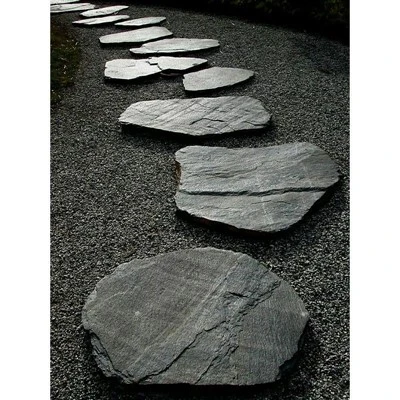
First off, let’s talk a bit about what Waterfall Boulders are. These boulders are often found near waterfalls, where they’re shaped by the constant flow of water over thousands of years. They have these really cool textures and shapes, which is why a lot of people, like landscapers, garden designers, and even homeowners, are super into using them in their projects. They can add a touch of natural beauty, kind of like bringing a little piece of the wild into your own space.
Now, when it comes to conservation efforts, the short answer is yes, there are some out there, but it’s a bit of a mixed bag. See, the main issue with Waterfall Boulders is that the process of extracting them can be pretty rough on the environment. Quarrying, which is how a lot of these boulders are sourced, can cause soil erosion, damage local habitats, and disrupt the natural flow of waterways.
In some areas, there are strict regulations in place to minimize these negative impacts. For example, some governments require quarry operators to have an environmental impact assessment before they start any extraction. This assessment looks at things like how the quarrying will affect the local plants and animals, and what steps can be taken to reduce that impact. There are also rules about how much land can be disturbed during the extraction process, and operators are often required to rehabilitate the land once they’re done.
Some conservation groups are also getting involved. They’re working to raise awareness about the importance of protecting the areas where Waterfall Boulders are found. They hold educational events and run campaigns to encourage sustainable practices in the industry. For instance, they might promote the idea of using recycled or reclaimed boulders in landscaping projects instead of always going for freshly quarried ones. This helps to reduce the demand for new extraction and gives a second life to boulders that might otherwise be sitting unused.
But despite these efforts, there are still challenges. One big problem is enforcement. In some regions, there just aren’t enough resources to properly monitor and enforce the regulations. This means that some quarry operators might cut corners and not follow the rules, which can lead to serious environmental damage. Another issue is that there’s still a lack of public awareness about the environmental impacts of Waterfall Boulder extraction. A lot of people just see these beautiful boulders in their gardens and don’t think about where they came from or what it took to get them there.
As a supplier, I feel a real responsibility to do my part in conservation. That’s why I work closely with my quarry partners to make sure they’re following all the necessary regulations. I always ask for proof of their environmental impact assessments and make sure they’re taking steps to minimize their impact on the land and water. I also try to educate my customers about the importance of conservation. When I’m talking to a landscaper or a homeowner about using Waterfall Boulders in their project, I’ll mention the conservation efforts and why it’s important to source them sustainably.
I also offer some alternatives to freshly quarried boulders. For example, I have a selection of reclaimed Waterfall Boulders that I’ve sourced from old construction sites or other places where they were being discarded. These boulders are just as beautiful as the new ones, but using them helps to reduce the demand for new extraction. And let’s face it, there’s something kind of cool about giving a boulder a new lease on life and incorporating it into a new project.
In addition to working with responsible quarry operators and offering reclaimed boulders, I’m always on the lookout for new ways to support conservation efforts. I’ve been thinking about getting involved in some local restoration projects, maybe helping to replant native vegetation in areas that have been affected by quarrying. I’m also considering partnering with some of the conservation groups to sponsor educational events or campaigns.
I know that conservation is an ongoing process, and there’s always more that we can do. But I’m really hopeful that with more awareness and collaboration, we can find a way to enjoy the beauty of Waterfall Boulders while also protecting the environment.
So, if you’re in the market for Waterfall Boulders for your next landscaping project, I’d love to talk to you. Whether you’re a professional landscaper looking to add a unique touch to your designs or a homeowner wanting to create a beautiful outdoor space, I’ve got a wide range of options for you. And you can rest assured that when you work with me, you’re supporting a supplier who takes conservation seriously.
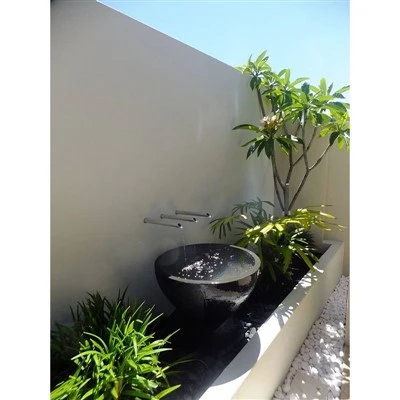
Let’s chat about how we can make your project a reality while also doing our bit for the environment. Just reach out, and we can start planning together.
Basalt Rock Fountain References
- Local environmental regulations and policies regarding quarrying and boulder extraction.
- Reports and studies from conservation groups focused on protecting natural landscapes.
- Conversations with industry experts and quarry operators about sustainable extraction practices.
Orin International Trade Co., Ltd.
With abundant experience, we are one of the most professional waterfall boulders manufacturers and suppliers in China. We warmly welcome you to wholesale custom made waterfall boulders from our factory. If you have any enquiry about cooperation, please feel free to email us.
Address: No.3-1, Shangzhongdi Natural Village, Hexian Village, Shuangta Sub-district, Jiangshan City, Quzhou City, Zhejiang Province
E-mail: atlas@orinstone.com
WebSite: https://www.orinstone.com/
