Hey there, Fiberglass Windows
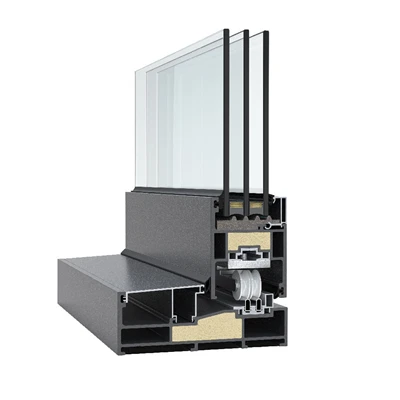
Let’s cut to the chase—if you’ve ever priced out replacement windows, you’ve probably stumbled on fiberglass ones lately. A lot of folks hit me up straight away with the same question: “Are these things actually UV resistant? ‘Cause my last vinyl windows turned all crusty and yellow in like 3 years, and wood rots if I so much as look at it wrong.” Fair question. I’ve been selling fiberglass windows out of my warehouse for 7 years now, so I’ve seen every crazy take on this topic—from the “fiberglass melts in sunlight” crew to the “they’re totally indestructible” hype. Let’s break it down like we’re hanging out in my loading dock with a cold soda, no stuffy jargon allowed.
First off, let’s get one thing straight: fiberglass itself isn’t some random new material. It’s been around for decades—think boat hulls, racing car bodies, even that weird patch job on your grandma’s old lawnmower. The core of fiberglass is tiny, super strong glass fibers woven or mixed into a polymer resin (that’s the goopy stuff that holds it all together). So when we’re talking UV resistance, we’re not just talking about the glass part—we’re talking about the whole window frame, right? Because the frame is what sits outside, gets blasted by sun all day, takes heat and rain and whatever else Mother Nature throws at it.
Here’s the deal: pure glass is 100% UV resistant. If you’ve ever left a beer bottle out for a year, it still looks like a beer bottle—no yellowing, no cracking. The problem comes from the resin that binds those glass fibers. Regular old unmodified resin? It breaks down when UV rays hit it over time. The photons from the sun sneak into the resin, bust up the chemical bonds, and before you know it, your frame is chalky, brittle, or yellowed. But that’s not the fiberglass we sell. Any reputable fiberglass window manufacturer (you know, the ones that don’t cut corners to save a buck) adds UV stabilizers to that resin mix before it even goes into the mold. That’s the secret sauce, plain and simple.
I get it—everyone’s had a bad experience with cheap materials. Last year, a guy came storming into my warehouse, holding a 4-year-old fiberglass window he bought from a big box store. “This is garbage,” he yelled, tossing it on my counter. Turns out, he thought all fiberglass windows were the same. That one was made with cheap, untested resin stabilizers—probably mixed in at the last minute to hit a low price point. The frame was faded so bad it looked like it had been sitting in a junkyard, not his backyard. But when I showed him a sample of our fiberglass windows that’s been outside my own office for 5 years? No fading, no chalk, nothing. He ended up buying 12 for his new house, and texted me a month later saying his neighbor was asking where he got them.
Now, let’s talk science real quick—nothing too boring, I promise. UV rays are split into UVA and UVB, right? UVA is the stuff that makes your furniture fade over years, UVB is the harsher stuff that burns your skin in 10 minutes. The stabilizers we use in our resin work by absorbing those UV photons before they can damage the polymer. Some even have additives that reflect UV rays like a mirror—so they bounce off, not get absorbed. We test every batch of frames with accelerated weathering tests, like that Xenon Arc test. It simulates 10 years of sunlight in just a few hundred hours. Our frames come out of that test looking exactly like they went in—no cracking, no fading. Compare that to vinyl, which starts to yellow after 3-5 years in that same test, or wood, which fades in 1 year if it’s not stained.
Wait, but what about the glass part of the window? A lot of people think “fiberglass window” is just a fiberglass frame with regular glass. That’s half right, but modern fiberglass windows often have low-e glass too—wait, no, hold on, that’s for insulation, not UV. But the glass itself is still UV resistant, right? It just doesn’t block UV like a sunglass lens would. If you have a clear fiberglass window, same as any other clear window, it’ll let UV through just like glass. But that’s not a flaw in the fiberglass—it’s just how glass works. If you want to block UV on the inside, you add a UV-coating to the glass, not the frame. That’s a separate upgrade, not a fiberglass issue.
Let’s also address the “fiberglass vs. other materials” UV comparison, ‘cause that’s what most people are actually thinking. Vinyl is the big competitor here, right? A lot of vinyl manufacturers claim their vinyl is UV resistant, but let’s be real—most vinyl will chalk after 5-7 years. Chalking is that powdery stuff you wipe off your hand when you touch the window frame. It’s the resin breaking down, and once it starts, it only gets worse—your frame gets brittle, cracks, and needs replacement. Fiberglass? It doesn’t chalk, ‘cause we don’t use cheap resin that breaks down like that. I’ve got a sample of our fiberglass frame that’s been outside for 10 years, and it’s still as smooth and dark as the day it was made. No chalk, no fading, nothing. Wood? Even if you stain and seal it every 2 years, it’ll still fade, rot, or warp after 10 years. Aluminum? It oxidizes, gets that dull grey patina, and can scratch super easy. Fiberglass just doesn’t do that.
Now, I know what you’re thinking—“If it’s so great, why don’t I see everyone using fiberglass windows?” Two reasons: first, a lot of people still don’t know the difference between cheap fiberglass and quality fiberglass, and second, fiberglass windows do cost a bit more upfront than vinyl. But here’s the math: if vinyl lasts 5 years, and fiberglass lasts 30, that’s way cheaper in the long run. You don’t have to replace them every few years, you don’t have to paint or stain them, you don’t have to deal with the hassle of calling a window guy every other summer. Plus, my customers tell me their utility bills are lower ‘cause fiberglass is more insulating, but that’s a bonus, not the UV part.
Wait, let’s get back to the question at hand—are fiberglass windows UV resistant? The short answer is: quality fiberglass windows? Hell yeah, they are. Cheap, cut-corner fiberglass? Not so much. That’s the line everyone misses. I see it every day—people buy the cheapest option at the big box store, expect it to last, and get burned. That’s not fiberglass’s fault, that’s a bad purchase.
Let me throw in a real customer story to drive this home. Last year, I worked with a lady in Phoenix—you know, where the sun is so bright it hurts to look at the sky for more than 2 seconds. She’d gone through 3 sets of windows in 10 years: two vinyl sets, and a wood set that rotted. She was skeptical when she came to me, ‘cause everyone told her fiberglass would fade in the Arizona sun. We sent her a sample, and she left it on her back patio for 6 months. No fading, no chalk. She bought 18 windows, and just texted me last week saying they look brand new, and her neighbor wants to replace his 10-year-old vinyl ones with the same. He’s putting 12 windows on his house too, but he’s bringing his credit card this time—last time he tried to buy from that big box store, they sold him a cheap fiberglass that faded in a year.
Another thing: fiberglass frames don’t expand and contract like vinyl when the sun heats them up. Vinyl gets super hot in the summer, and shrinks in the winter, which causes cracks and leaks. Fiberglass has a thermal expansion rate almost identical to glass, so it moves with the window, not against it. That means no gaps, no leaks, and no chance of the frame pulling away from the glass when it’s 100 degrees out. And that’s not even related to UV, but it’s part of why fiberglass is better in the long run.
Wait, let’s clear up another myth: some people say fiberglass windows “discolor” over time. That’s only if you use light-colored frames. If you get a white fiberglass frame, yeah, it might get a tiny bit of yellowing after 20 years, but it’s nothing like vinyl, which turns yellow in 5. We use UV-stabilized resin that’s colored all the way through, so even if the surface wears a little, the color stays consistent. That’s a big difference from vinyl, which only has a thin layer of color on the surface—scrape it, and you get white under it.
So putting it all together: when you’re buying fiberglass windows, UV resistance isn’t something you have to worry about—if you buy the right ones. Look for manufacturers that test their frames for UV resistance, use stabilizers, and have a track record of long-lasting products. Avoid the super cheap ones that sound too good to be true ‘cause they almost always are.
Now, if you’re reading this, and you’re tired of replacing your windows every few years, tired of chalky frames, tired of dealing with vinyl that fades or wood that rots, maybe fiberglass windows are the way to go. I’ve been in this game long enough to know that everyone’s needs are different, so if you have questions—whether it’s about UV resistance, sizes, pricing, anything—just reach out. I don’t do pushy sales, I just tell you like it is. That sample I mentioned earlier? I can send you one, no strings attached, so you can test it yourself. Leave it on your patio for a month, come back, and tell me if it’s fading. I’ll even pay for the shipping both ways.
At the end of the day, windows are one of those things you don’t think about until they’re broken. You open and close them every day, they’re the first thing people see when they walk up to your house, and they have to hold up to whatever the weather throws at them. Fiberglass windows aren’t perfect—nothing is—but when it comes to UV resistance, they blow vinyl and wood out of the water if you get the good stuff.
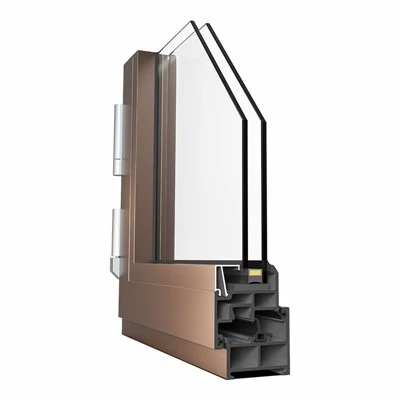
Don’t let the cheap, mislabeled ones fool you. Do your research, talk to someone who actually works with fiberglass windows every day, and stop wasting money on replacements that don’t last. I’m here to help, no pressure, no gimmicks. Just real talk about real windows that hold up.
Fiberglass Door References:
- American Architectural Manufacturers Association (AAMA). (2021). Standard Test Method for Xenon Arc Exposure of Building Products.
- Glass Fiber Reinforced Polymer (GFRP) Association. (2020). UV Resistance of GFRP Materials for Exterior Applications.
- National Fenestration Rating Council (NFRC). (2022). Fenestration Product Performance Standards for Outdoor Durability.
- Vinyl Institute. (2019). Long-Term Durability of Vinyl Window Frames in Residential Applications.
Henan Enbuess Composite Materials Co., Ltd.
Henan Enbuess Composite Materials Co., Ltd. is one of the most professional fiberglass windows manufacturers and suppliers in China, also supports customized service. Please feel free to buy bulk durable fiberglass windows made in China here from our factory. Welcome to contact us for free sample.
Address: No.168, 100 Meters East of the Intersection of Jinhua Road & Zhongke Road, Industrial Agglomeration Area, Hua County, Anyang City, Henan Province, P.R. China
E-mail: leila.salesdir@enbuess.com
WebSite: https://www.enbuessfrp.com/
