Hey there, let’s cut to the chase—if you’re running a show, tour, theater production, or even a big corporate event, stage effects machines aren’t just “add-ons” anymore. They’re what make that epic pyrotechnic burst, fog rolling across the stage, or confetti shower land like a total knockout. But here’s the thing: I’ve talked to so many crew leads, production managers, and even some newer stagehands lately who are straight-up panicking because they don’t know how to operate these rigs safely. And that’s where people always ask me: “Are there actual training courses for these things? ‘Cause I can’t just Google a quick video and call it good, right?” Stage Effects Machine
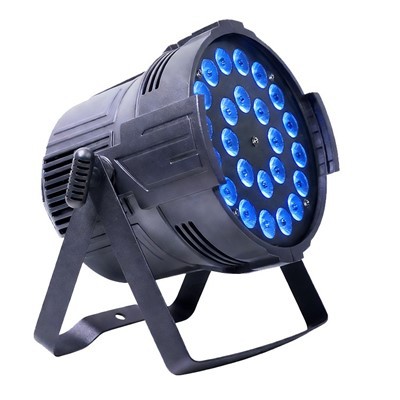
Full transparency here— I own a stage effects machine supply company. I’ve been in this game for almost 10 years now, so I’ve seen it all: the new intern who tried to fire a low-hanger fog machine too close to a backdrop and singed a costume, the venue manager who forgot to sync a CO2 cryo blast with the band’s guitar solo and spooked a whole audience, even a show that got shut down mid-performance because someone hooked up a pyrotechnic machine wrong and set off the venue’s fire alarm. Not fun. None of that is good for anyone— the performers, the crew, the audience, and definitely not for me or my clients who paid good money for a seamless show.
So yeah, there are training courses. But let’s not act like they’re all the same. Some are random online junk, some are 8-hour one-and-done workshops that barely scratch the surface, and then there are the legit, hands-on ones that actually matter. Let’s break this down, ‘cause I don’t want you wasting your time or money on something that won’t keep you safe and make your stage look insane.
First off, what kind of stage effects machines even need training? If you’re thinking just fog machines, nope— we’re talking about way more. We sell pyrotechnics (low-level, stage-safe ones, obviously, not the big concert fireworks), CO2 cryo jets, confetti/cannon rigs, haze machines, flame effects, bubble systems, even those new projection-mapped fog screens. Each of these has totally different rules. Haze machines, for example, need calibration to not set off smoke detectors, pyros need precise timing to avoid hitting performers, and cryo jets are super high-pressure— mess up the connections, and you’ve got a broken machine, a trip to the ER, or worse. You can’t pick up that stuff from a TikTok. Trust me, I’ve tried to teach a new tech over a quick Zoom call once, and it went way sideways. That’s why hands-on is non-negotiable.
Now, where do you find these courses? Let’s start with the ones tied to actual industry groups. The Entertainment Technology Association (ETA) — if you’re in the US, they do amazing targeted training. They have courses specific to stage effects operation, split by type: Pyrotechnics for Stage, CO2 and Cryo System Safety, Haze and Fog Machine Calibration, all that. The cool thing about ETA courses is that they’re recognized by most venues and event production companies, so if you’re putting in for a big gig, your crew having that certification isn’t just a “nice-to-have” — it’s a requirement. I’ve had clients turn away shows before ‘cause their crew didn’t have ETA certs, and that’s a real dealbreaker. I mean, venues have insurance rules too, right? If something goes wrong and you skipped training, your insurance won’t cover it. That’s a nightmare no one needs.
Then there’s the National Agricultural Safety Database? Wait, no, that’s for farms— my bad. Oh right, the Event Safety Alliance (ESA) — they do super accessible workshops, especially for smaller productions or indie shows that don’t have the budget for ETA’s full certs. Their “Stage Effects Safety 101” is like $150 per person, it’s a two-day hands-on, and it covers the basics that every single tech should know, regardless of what machine they’re running. I’ve sent a bunch of my regular clients’ crew to these, and they always come back saying it’s way more practical than a college lecture (no offense to any tech theater majors, but some of that stuff is just outdated).
But wait— here’s the secret that most people don’t know: A lot of stage effects machine suppliers (hi, that’s me!) offer custom in-house training for the gear we sell. Yeah, you read that right. Because when I sell a brand-new confetti cannon or a high-end haze machine to a production company or venue, I don’t just drop it off and leave. I bring my lead tech— who’s been setting up these rigs for 15 years— and we do a 4-hour one-on-one (or small group) training right at your space. We go over every little detail: how to hook it up, calibration for your venue’s smoke detectors, syncing it to your show’s lighting or MIDI board, emergency shutoff protocols, even how to do a quick fix if something goes wrong mid-gig (like a jammed confetti cannon or a fog machine that’s leaking fluid). This isn’t generic training— it’s specific to the exact machine you just bought from me, so there’s no guesswork. Way better than some online course that uses a different brand of machine.
Now, let’s talk about what a good training course actually teaches you— ‘cause a lot of cheap ones skip the important stuff. It’s not just “press this button to make fog.” A real course will cover:
Safety protocols first, always. For pyros, that means distance from combustibles, timing relative to performers, inspection checks before every use (even a machine you’ve used a hundred times— always check it), and what to do if a fuse doesn’t light (don’t rush over there, that’s how accidents happen). For CO2 jets, it’s about pressure levels— too high, and you can blow a line or knock a performer off their feet. For haze, it’s about not overdoing it ‘cause too much haze will ruin your lighting rig’s effect, and it’s bad for the audience’s breathing too. I once had a client who tried to cram an entire set’s worth of haze into a small theater, and half the front row left the show ‘cause they couldn’t breathe. Oops.
Syncing with other show elements. Stage effects don’t exist in a vacuum. If you’ve got a pyrotechnic burst scheduled right as the lead singer hits the high note, you need to know how to sync that to your lighting board, sound system, or MIDI setup. That’s not something you learn from a 10-minute YouTube clip. A good course will teach you how to test that sync, troubleshoot if it’s off, and make adjustments on the fly— which is huge when you’re in the middle of a 3-hour live show.
Maintenance and troubleshooting. Machines break. It’s a fact of life. If you’re on a tour in the middle of nowhere, and your fog machine dies 20 minutes before showtime, you don’t want to wait 3 days for a new part to ship. A good training course will teach you how to do basic fixes: unclogging a nozzle, replacing a CO2 tank, resetting a jammed cannon. That saves you so much time, money, and stress. I’ve had tour crews tell me that the training I send them with is the reason they didn’t get stuck on a remote stop mid-tour.
Wait, but what if you’re a small business or an independent event planner, not a huge production company? Do you really need to pay for a $500 ETA certification? Let’s be real— if you’re doing a local wedding, a small theater production, or a community fair with basic fog and confetti, you probably don’t need the full formal cert. But you still need some kind of training. That’s where those local workshops from event tech groups or even some rental companies come in. A lot of stage equipment rental shops do free mini-training when you rent a machine from them. Like, if you rent a haze machine from a local rental place, the tech will walk you through how to set it up and use it correctly, just to make sure you don’t break their gear. That’s a great starting point for small stuff.
But here’s a big red flag I have to warn you about: Skip the random online training courses. I’ve seen some sites that offer “stage effects certification” for $20 that’s just a bunch of generic text and a 5-minute video. That’s not training. That’s a scam that could get someone hurt. I had a client a year ago who took one of those $20 courses, tried to operate a low-level pyro rig, and forgot that the backdrop was made of flammable fabric. They set off a small fire, the venue shut down the show, and they had to pay $10k in damage fees. All ‘cause they thought a 5-minute video was enough. Don’t do that to yourself.
Now, let’s circle back to being a stage effects machine supplier— ‘cause that’s my spot. I get a ton of emails from people asking “Where do I get training?” and I always point them to the legit resources first, but I also make sure to offer my own in-house training for the machines I sell. Here’s why that works: I know every single detail of the rigs I sell. I test them every month, I fix them when they break, I know exactly what can go wrong and how to fix it. So when a crew takes my training, they’re not learning from a generic textbook— they’re learning from the person who built the gear, basically. That’s way more valuable.
If you’re looking for training, here’s my quick checklist to make sure you’re not wasting time:
- Is it hands-on, not just online? If you can’t touch the machine, plug it in, test it, that’s a no-go.
- Does it cover safety first? If the course spends more time on “how cool the fog looks” than “how to not burn down the venue,” that’s bad.
- Is it specific to the machines you’re using? A course on pyrotechnics won’t help you with a confetti cannon, and vice versa.
- Is it tied to actual industry safety standards? If the course’s cert is recognized by venues or insurance companies, that’s a huge plus.
Now, let’s talk about the real cost of not getting trained. I’ve seen it too many times. A show delayed, a crew member hurt, a venue fine, insurance denied, brand reputation ruined. It’s not worth cutting corners on training. Even if you’re just doing a small gig, spending a few hours with a legit trainer will save you so much headache later.

At the end of the day, stage effects are supposed to make a show better, not turn it into a disaster. The training is what turns a guy who just bought a fog machine into a tech who can make that fog roll exactly when the song calls for it, without worrying about setting off a fire alarm. If you’re in the market for stage effects machines— whether it’s for a big tour, a local theater, or a wedding— I don’t just want to sell you gear. I want to make sure you have the training to use it right. If you need info on in-house training from my team, or tips on the best courses out there, hit me up and we can chat. No pressure, just real talk from someone who’s been in this game long enough to know that safety and skill beat fancy gear every time.
LED Strobe Light REFERENCES:
Entertainment Technology Association (ETA) Official Course Catalog, 2024
Event Safety Alliance (ESA) Stage Effects Safety 101 Workshop Guide, 2023
National Fire Protection Association (NFPA) 160: Standard for Stage Effects and Special Effects, 2022
OSHA Guidelines for Safe Operation of Stage and Event Equipment, 2023
Guangdong New Start Lighting Co., Ltd.
Guangdong New Start Lighting Co., Ltd. is one of the most professional stage effects machine manufacturers and suppliers in China. Welcome to wholesale durable stage effects machine in stock here and get quotation from our factory. All customized products are with high quality and competitive price.
Address: No.2, Hubin Road, Jiaoxin Village, Shimen Street, Baiyun District, Guangzhou, Guangdong, China
E-mail: newstartkate@gmail.com
WebSite: https://www.newstartlighting.com/
