If you’ve ever walked past a construction site, a building undergoing exterior maintenance, or a warehouse loading dock where workers are reaching heights that ladders can’t safely manage, chances are you’ve seen an aerial work platform (AWP) in action. As someone who’s spent the last decade supplying these machines to job sites across the region, I’ve lost count of how many times contractors stop me mid-conversation to ask: “What actually powers that thing? Is it gas? Electric? Something else entirely?” The answer isn’t one-size-fits-all—because the right power source makes the difference between a machine that’s productive, safe, and cost-effective, and one that’s a hassle to operate. Let’s break down the most common power sources for AWPs, their use cases, and why choosing the right one matters for your job. Aerial Work Platform
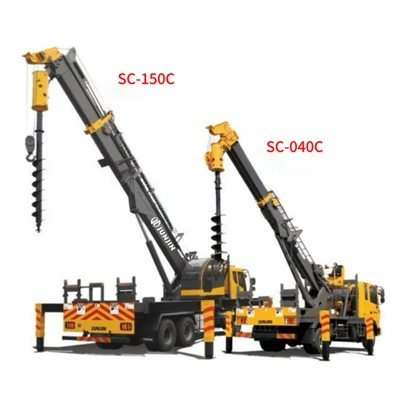
First, let’s start with the power source you’ll see most often on indoor job sites: electric power. When I first got into the AWP business, electric models were pretty basic—they were small scissor lifts with lead-acid batteries that died after a few hours of use. Today’s electric AWPs are a game-changer for indoor work, and for good reason. Indoor sites—think retail store remodels, office building electrical upgrades, or warehouse inventory checks—are tight, often have sensitive equipment that can’t handle exhaust fumes, and require zero emissions to meet local safety codes. Electric AWPs run on rechargeable batteries, usually lithium-ion these days (we’ve phased out most lead-acid models over the last three years because of their shorter lifespan and heavier weight). A full charge for a 30-foot electric scissor lift lasts 8 to 12 hours, which is perfect for a standard work day, and a quick 30-minute top-up can add 2 hours of runtime if you’re running behind on a project. The downside? Electric AWPs aren’t ideal for outdoor work in rough terrain. The batteries are heavy, which makes the machine less stable on uneven gravel or mud, and cold weather (below 32 degrees Fahrenheit) can cut battery life by 30 to 40 percent. We had a customer last winter who tried to use a standard electric scissor lift on a snow-covered roof, and the battery died halfway through the day—he ended up having to rent a diesel model at the last minute, which cost him twice as much as if he’d planned ahead.
Next up: internal combustion (IC) power, which is split into two main types: diesel and gasoline. IC-powered AWPs are the workhorses of outdoor, heavy-duty job sites like construction, bridge repair, or tree trimming. Diesel engines are the most common for larger AWPs—think boom lifts that reach 60 feet or higher. Why? Diesel engines are more fuel-efficient, have a longer lifespan (we see some commercial diesel AWPs that still run after 10 years of regular use), and produce more torque to handle steep slopes, rough terrain, and heavy payloads. A 60-foot diesel boom lift can carry up to 500 pounds, which is enough for two workers and their tools, and a full tank of diesel lasts 10 to 15 hours of continuous use—no mid-day charging stops, which is critical on tight construction schedules. Gasoline-powered AWPs, on the other hand, are smaller, more lightweight, and cheaper to operate than diesel models. We supply a lot of gasoline-powered vertical mast lifts for small residential jobs, like painting a two-story house or trimming tree branches in a backyard. The downside of IC power? Exhaust fumes. You can’t use a diesel or gasoline AWP indoors—carbon monoxide buildup is a major safety hazard, and most buildings won’t let you bring one on site. We had a customer try to use a diesel boom lift in a warehouse to move a ceiling fan, and within 20 minutes, the fire department showed up because the sensors picked up excessive exhaust. The customer had to shut down the job for two hours to ventilate the space, which cost him $1,200 in lost labor. That’s the kind of mistake we work hard to help clients avoid.
Then there’s hybrid power, which is the middle ground that’s become more popular over the last five years. Hybrid AWPs combine an electric battery with a small IC engine, designed to switch between power sources depending on the environment. For indoor work, they run on the battery, zero emissions, quiet operation—perfect for noise-sensitive areas like hospitals or office buildings. For outdoor work, the engine kicks in to charge the battery and provide extra power for rough terrain, so you don’t have to worry about cold weather cutting your runtime or getting stuck on a muddy spot. We supplied a hybrid boom lift to a general contractor last year who was working on a hospital renovation: they used it indoors during the day to install wiring, then moved it outdoors at night to load materials, all without switching machines. The hybrid model also uses less fuel than a standard IC model, so his operating costs were 25 percent lower than if he’d rented two separate machines. The only trade-off with hybrid models is that they’re a bit more expensive upfront than standard electric or IC models, but for jobs that require both indoor and outdoor work, the savings in time and equipment costs add up fast.
Wait, there’s one more power source that’s less common but critical for specific niche use cases: hydraulic power. A lot of people confuse hydraulic systems with power sources, but they’re actually a power transmission method that works with IC or electric engines. Hydraulic AWPs use fluid pressure to lift the platform, which makes them extremely precise—you can adjust the platform height by a fraction of an inch, which is essential for jobs like installing glass panels on a skyscraper or working on delicate machinery. Hydraulic systems are also durable, which is why you’ll see them on heavy-duty rough-terrain AWPs that work in mines or on road construction sites. The downside? Hydraulic systems require regular maintenance to prevent fluid leaks, which can be messy and cause damage to the environment. We always advise customers to schedule annual hydraulic system checks if they’re using their AWP frequently, because a leak can lead to sudden platform drops, which are a major safety risk.
Now, let’s talk about how power source choice affects more than just runtime—it impacts safety, cost, and compliance on your job. For example, OSHA (Occupational Safety and Health Administration) has strict rules about AWP power sources in enclosed spaces: any AWP used indoors must produce zero emissions, so electric or hybrid models are the only options. Choosing a diesel AWP indoors isn’t just illegal—it’s a serious safety hazard that can lead to fines up to $15,000 per violation. On the cost side, upfront purchase price is just the start. An electric AWP has lower daily operating costs (no fuel, less maintenance) than a diesel model, but if you’re working outdoors in cold weather, you’ll end up paying for battery replacements more often. We calculate that a diesel AWP costs about $40 a day in fuel, while an electric AWP costs $5 a day in electricity—but if you’re working 10 days in sub-zero temperatures, the electric model’s extra battery replacements will add up to more than the diesel’s fuel costs. That’s why we always ask customers a few key questions before recommending a power source: Where are you working? Indoors or outdoors? What’s the terrain like? How long do you need the machine to run each day? Do you need to move it between sites, or will it stay in one place?
I’ve seen too many customers make the mistake of picking a power source based on price alone, not on their actual job needs. Last year, a small construction company bought a cheap electric scissor lift for a job building a house addition. The job required them to work on uneven gravel, and within a month, the lift’s battery was dying constantly, and the machine was tipping because the heavy battery made it unstable on slopes. They ended up having to rent a rough-terrain diesel scissor lift, and the total cost of purchase plus rental was twice as much as if they’d bought the right diesel model in the first place. That’s the kind of regret we want to help you avoid. As an AWP supplier, my job isn’t just to sell you a machine—it’s to make sure the power source you choose fits your job so you can work safely, efficiently, and without unexpected costs.
Another point to consider is environmental regulations. A lot of cities and states now have emissions rules that restrict IC-powered equipment in urban areas, especially during busy hours. Hybrid and electric AWPs meet those rules, which can save you from being fined or having to move your job site during peak times. We also have a lot of clients in the entertainment industry, who use AWPs for concert stage setup or film set lighting. Those sites are often in busy downtown areas, and noise is a big concern—electric and hybrid AWPs are almost silent, while diesel models can be heard from a block away. That’s a huge advantage for filming or concerts, where noise restrictions mean you can only work between certain hours.
Let’s also talk about newer innovations in AWP power. Over the last two years, we’ve started seeing hydrogen fuel cell-powered AWPs hit the market, and they’re really promising. Fuel cells generate electricity from hydrogen, so they produce zero emissions, have a runtime of 12 to 18 hours, and refuel in just 10 minutes—faster than any electric battery charge. We’re testing a few of these models right now for long-term outdoor jobs, and so far, they’re perfect for sites that need all-day runtime without refueling breaks. The downside is that hydrogen refueling stations are still rare in most areas, so they’re not widely available yet, but as infrastructure improves, they’ll be a great option for heavy-duty outdoor work.
No matter what power source you choose, there are a few best practices to keep in mind to keep your AWP running safely. For electric models: don’t leave batteries charging in extreme temperatures (hot or cold), and always use the charger that comes with the machine—using the wrong charger can damage the battery and create a fire risk. For IC models: change the oil and filter every 200 hours of use, and make sure the exhaust system is clear of debris to prevent fume buildup. For all models: check the power source before every shift—test the battery charge, check the fuel level, and make sure the hydraulic fluid is at the right level. A quick pre-shift check can prevent a lot of headaches and safety issues.
At the end of the day, the power source of an AWP isn’t just a technical detail—it’s the foundation of how well your machine works for your job. Whether you’re an independent contractor working on a small residential remodel, a general contractor managing a large construction site, or a warehouse manager doing inventory on a busy schedule, there’s a power source that’s right for you. If you’re not sure which one fits your needs, don’t guess—reach out. As an AWP supplier with years of experience, we can walk through your job site details, answer your questions, and help you pick the power source that will save you time, money, and stress.
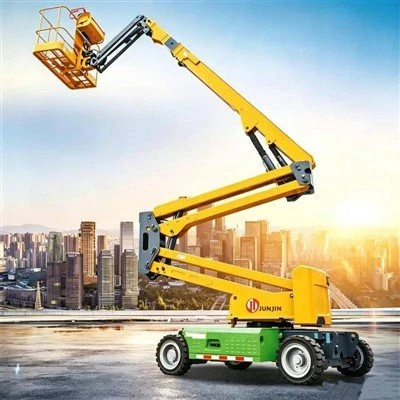
If you’re ready to find the right aerial work platform for your needs, connect with our team to discuss your project details, operating requirements, and budget. We’re here to provide expert guidance and reliable equipment to keep your jobs running safely and efficiently.
Articulated Boom Lift References
- Occupational Safety and Health Administration. (2022). Aerial Lift Requirements. Retrieved from OSHA’s workplace safety guidelines for powered industrial equipment.
- International Organization for Standardization. (2021). Standard for Aerial Work Platform Power Sources and Safety Ratings. ISO 18878:2021.
- National Rental Equipment Association. (2023). 2023 AWP Power Source Market Report: Trends, Cost Analysis, and Use Case Recommendations.
Yantai Quanrui International Trading Co., Ltd.
As one of the most reliable aerial work platform manufacturers and suppliers in China, we’re featured by high quality customized products. Please rest assured to buy discount aerial work platform made in China here from our factory. Contact us for pricelist and quotation.
Address: No. 278, Sanya Road, Gaotuan Town, Fushan District, Yantai City, Shandong Province, China
E-mail: Info@quanjin1588.com
WebSite: https://www.qr1588.com/
