If you’ve ever walked into a store and felt your mood lift before you even reached the first display, or lit a candle that made your whole house feel like a warm hug, you’ve encountered fragrance oil at work. As a fragrance oil supplier, I spend most days talking to people who don’t just “sell scents”—they build experiences around them, and fragrance oil is the foundation of nearly every one of those experiences. I’ve lost count of how many times someone asks me, “What are fragrance oils actually used for, beyond candles?” The answer might surprise you: they’re in everything from the skincare you lather on in the morning to the cleaning spray that deodorizes your bathroom. Let’s break down the most common, often unexpected, uses of fragrance oil, and why they matter so much to the brands and homes we serve every day. Fragrance Oil

First and foremost, candles are the backbone of fragrance oil use, and for good reason. Fragrance oils are ideal for candle making because they can retain their scent through high melting points (most candle waxes, whether paraffin, soy, or beeswax, melt between 120°F and 180°F) without breaking down or losing their aroma. I’ve worked with small craft makers and large international candle brands, and the feedback is consistent: fragrance oils deliver stronger, more consistent throw than essential oils for most candle applications. A “throw” is the scent that fills a room, right? If you’ve ever bought a “lavender candle” that smells nothing like lavender when it burns, it’s probably because the manufacturer used a low-quality fragrance oil that didn’t have enough scent load. As a supplier, we test every batch of our candle fragrance oils to hit the sweet spot—strong throw when lit, no chemical aftertaste, and compatibility with all major wax types. The most popular candle scents right now are warm, cozy ones: vanilla, cinnamon, sandalwood, and pine for winter; citrus, sea salt, and jasmine for spring and summer. But we also work with custom blends, like a campfire smoke scent for outdoor candle lines or a baby powder scent for nursery candles, tailored exactly to what the customer needs.
Next, home fragrance products are another huge, fast-growing use for fragrance oils. This category isn’t just candles—it includes reed diffusers, room sprays, wax melts, potpourri, and even laundry care products like fabric softeners and dryer sheets. Reed diffusers, for example, use fragrance oil mixed with a carrier (usually mineral oil or dipropylene glycol) that soaks into reeds and evaporates slowly, releasing scent over weeks or months. The key here is that the fragrance oil has to be volatile enough to evaporate at room temperature, but not so light that it fades after a few days. Wax melts are similar to candles but don’t have a wick—you melt small cubes in a wax warmer, so they rely on fragrance oil to release scent as the wax melts. We get a lot of orders for citrus blend fragrance oils for laundry products, because they’re bright, mask laundry odors, and don’t leave residue on clothes. One thing I always emphasize to home fragrance brands is that their scent has to be safe for indoor use. All our fragrance oils are tested for low VOC (volatile organic compound) levels, which is important because long-term exposure to high VOCs can be a problem for indoor air quality. For brands targeting eco-conscious consumers, we also offer phthalate-free fragrance oil lines, which have become a non-negotiable for many customers now.
Skincare and personal care is another major, often overlooked, application for fragrance oil. Think about it: the lotion you put on after showering, the shampoo you use, the body wash, even some face creams—most of them have a scent, and that scent almost always comes from fragrance oil. Unlike essential oils, which are derived directly from plants, fragrance oils are formulated to mimic specific scents consistently, which is critical for a skincare brand that needs every batch of lemon lotion to smell exactly the same. But here’s the catch: not all fragrance oils are safe for skin. We only supply fragrance oils that are labeled as “skin-safe” and compliant with global regulations like the EU’s Cosmetics Regulation and the US FDA’s guidelines. That means they don’t contain harsh ingredients that can cause irritation, especially for sensitive skin types. For example, a lot of people love rose-scented lotion, but natural rose essential oil can be expensive and might cause allergic reactions in some users. A good skin-safe fragrance oil delivers the same rose scent without the risk of irritation, which is a win for both brands and consumers. I’ve worked with small batch lotion makers who start with a simple “summer berry” blend fragrance oil, then move to more complex custom scents as their brand grows, because fragrance oil lets them create a signature scent that customers associate with their products.
Moving into personal care, hair products are also big on fragrance oil. Shampoos, conditioners, hair masks, and even dry shampoos use fragrance oil to add a pleasant scent that lingers throughout the day—think of that fresh coconut or tropical mango scent you smell when someone walks by, that’s often from fragrance oil. It’s important here that the fragrance oil is pH balanced, so it doesn’t disrupt the pH of the hair or scalp, which can lead to dryness or irritation. For a lot of hair care brands, especially mass market ones, fragrance oil is the only way to get a consistent, long-lasting scent at an affordable price point. Essential oils can be very expensive, and their scent can vary depending on the harvest, which makes them hard to use for large-scale production. Fragrance oils, on the other hand, are formulated in a lab to be consistent, cost-effective, and tailored to the needs of different products—so a shampoo fragrance oil will be designed to work in a foaming formula, while a conditioner fragrance oil will work in a creamier, thicker base.
Cleaning products are another huge use case, and it’s one I didn’t expect to be so popular when I first started in this business. Think about all the cleaning sprays, dish soaps, laundry detergents, and air fresheners that claim to “kill germs and leave your home smelling fresh.” That fresh scent is almost always from fragrance oil. The goal here isn’t just to smell good—fragrance oil in cleaning products helps mask the strong, often unpleasant smell of chemicals and dirt. It also makes cleaning feel more satisfying; there’s a reason so many people associate lemon-scented all-purpose cleaner with a “clean” home. When we supply fragrance oils for cleaning products, we have to make sure they’re compatible with the harsh chemicals in cleaning formulas—like bleach, ammonia, and surfactants. A fragrance oil that works in a lotion might break down in an all-purpose cleaner, so we test each batch for stability in alkaline and acidic environments. Popular scents for cleaning products include citrus (lemon, orange), lavender, eucalyptus, and pine, because they’re associated with cleanliness and freshness. We also offer “neutralizer” fragrance oils that are designed to neutralize odors like pet smells, cooking odors, and tobacco smoke, rather than just masking them, which is a big hit with customers dealing with tough odors.
Then there are the more niche uses that I love talking about, because they show how versatile fragrance oil is. For example, pet care products, like dog shampoos and litter deodorizers, use fragrance oils that are safe for animals. Wait, important note: these are not the same as human skin-safe fragrance oils—they’re specifically formulated to be non-toxic for pets, since dogs and cats have a much stronger sense of smell than humans, and harsh scents can irritate their noses. We have a whole line of pet-safe fragrance oils, like oatmeal and vanilla, that smell good to humans but are gentle on animals. Another niche use is art supplies: some paints, markers, and even playdough use fragrance oils to add a fun scent for kids’ products. Think of that bubble-scented playdough or glitter glue—almost all of those use fragrance oil, not essential oil, because it’s cheaper, more consistent, and safe for kids when formulated correctly. We’ve also supplied fragrance oils for car air fresheners, where the scent has to hold up to hot car temperatures without fading or becoming overpowering, and even for event decor, like scenting wedding venues or pop-up shops with custom signature scents.
As a fragrance oil supplier, I’ve seen how the use cases for our products evolve over time. A decade ago, candles were 70% of our business, now home fragrance, skincare, and cleaning products make up almost 60% of our orders, which shows how much demand there is for consistent, safe, and affordable scents across all categories. The biggest mistake people make when choosing fragrance oil is assuming all fragrance oils are the same—they’re not. A candle fragrance oil is designed to burn, so it has to be heat-stable; a skin-safe fragrance oil is designed to be absorbed into skin, so it has to be non-irritating; a cleaning product fragrance oil is designed to work in harsh chemical environments, so it has to be chemically stable. That’s why it’s so important to work with a supplier who understands the differences and can match the right fragrance oil to your specific product needs.
I also want to touch on quality, because that’s what matters most to us as a supplier. When I started this business, I made the mistake of buying cheap fragrance oils from a bulk supplier, and the feedback from customers was terrible: they smelled chemical, faded in a week, or caused irritation. Now, we source our fragrance oil bases from reputable manufacturers, and we test every batch for scent consistency, safety, and performance across different applications. We also work closely with our customers to customize blends—if a home fragrance brand wants a scent that’s exactly like a summer picnic, or a skincare brand wants a scent that’s fresh and not too sweet, we can mix a custom fragrance oil just for them. That’s one of the best parts of what we do: helping a small business turn their scent idea into a reality, and seeing their customers fall in love with that scent.
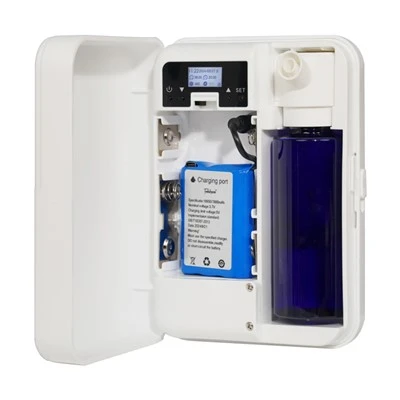
If you’re a brand owner looking to add a signature scent to your candles, home products, skincare, or cleaning lines, or even a large retailer looking for bulk fragrance oil supplies, we’re here to help. We have a wide range of standard fragrance oils, custom blending services, and regulatory support to make sure your products meet all safety and quality standards. Whether you’re a small craft maker just starting out or a large multinational brand, we can tailor our fragrance oils to fit your needs. Don’t hesitate to reach out to start a conversation about your next scent project.
Commercial Scent Diffuser References
- International Fragrance Association (IFRA). (2023). IFRA Standards: Safety Assessment of Fragrance Materials.
- U.S. Food and Drug Administration (FDA). (2022). Cosmetic Labeling and Ingredient Guidelines.
- European Chemical Agency (ECHA). (2021). Regulation (EC) No 1272/2008 on Classification, Labeling and Packaging of Substances and Mixtures.
- National Candle Association. (2022). Candle Fragrance Oil Performance and Compatibility Guidelines.
- Indoor Air Quality Association (IAQA). (2023). Volatile Organic Compounds in Home and Personal Care Products.
Hangzhou Felshare Biotechnology Co., Ltd.
Hangzhou Felshare Biotechnology Co., Ltd. is one of the most professional fragrance oil manufacturers and suppliers in China, also supports customized service. Welcome to buy bulk CE approved fragrance oil made in China here from our factory. If you have any enquiry about pricelist, please feel free to email us.
Address: 3/F Building 4, No.1672 Nanhuan Road, Binjiang District, Hangzhou, Zhejiang, China
E-mail: sales08@felshare.com
WebSite: https://www.xfelshare.com/
