Hey folks, let’s cut to the chase. I’m a supplier of bi-offset butterflies, and lately, I’ve been getting a ton of emails, LinkedIn DMs, and even random shop calls asking one thing straight up: “What’s the actual market demand for these things?” I don’t do fancy market reports that hide behind jargon, so let’s break this down like we’re chatting over a coffee—no corporate fluff, just what I see day in and day out moving through my warehouse. Bi-offset Butterfly

First off, let’s get what a bi-offset butterfly valve is out of the way quick, because half the time people message me thinking it’s some new fancy gadget for aeronautics. Nah. It’s a industrial valve, right? The offset part means the shaft is off-center from the disc, which makes it way better than a standard butterfly valve for high-pressure or high-temperature stuff. And bi-offset means it works on both directions of flow—perfect for systems that have to switch flow back and forth, or where you can’t afford leaks either way. I’ve seen guys mix them up with triple-offset, but no, triple is for super heavy-duty stuff like nuclear, bi-offset is the sweet spot most process industries actually need.
Now, demand. Let’s pull from the last two years of orders I’ve logged. I’m not talking about a tiny hobbyist shop here—my clients are food and beverage plants, chemical processing facilities, water treatment ops, and even some district heating projects. Let’s start with food and beverage because that’s been blowing up. The FDA and EU food safety rules tightened up big time in 2022, right? No more valves that can get gunk stuck in small crevices where bacteria grows. Bi-offset butterfly valves have a smooth disc and seat, no pockets, so they’re way easier to clean—CIP (clean-in-place) cycles don’t have to work as hard. I used to sell maybe 15 of these to food plants a quarter in 2021; last quarter that number was 78. Half of those orders are repeat customers who switched from standard gate valves because the bi-offset holds pressure way better during pasteurization runs. One craft brewery in Oregon went from 2 standard valves to 8 bi-offset last year alone, and now they’re asking for a custom skid with all bi-offset valves for their new canning line. That’s not a fluke—every time a food plant does a line upgrade, they’re dumping the old ones for bi-offset.
Next up, chemical processing. I work with a lot of small to mid-sized chemical manufacturers that handle corrosive fluids—acids, alkalis, stuff that eats through regular steel valves. Bi-offset valves can be lined with PTFE or Hastelloy, which stands up to that way better than plain butterfly valves. A lot of these guys can’t swing the cost of full ball valves, which are another option for corrosive flow—bi-offset is like 30-40% cheaper, and it’s still way more reliable than the standard lug-type butterfly I used to sell back in 2019. Last month I had a plant in Texas that had 12 valves fail in a month because of corrosion, so they ordered 24 bi-offset lined ones to replace every single one. They told me their downtime dropped by 80% after the swap—downtime in chemical plants costs 5 figures an hour, so that’s a no-brainer for them.
Water and wastewater treatment is another big one. Municipalities are pushing for more efficient water systems right now, especially with all the drought stuff going on in the Southwest. Bi-offset valves handle the fluctuating pressure in water pipelines way better than standard ones, and they don’t leak as much when you’re regulating flow. I’ve got a contract with three small city water departments in California that reorder every 6 months for their pipeline upgrades. Wastewater plants, too—they need valves that can handle semi-solids and not get jammed. The offset disc means it doesn’t hang up on debris, which is a way bigger issue than people think. A wastewater plant in Arizona told me they used to unclog 2 valves a week; since switching to bi-offset, they only do one every two months. That adds up to a lot of man hours saved, not to parts replacements.
Wait, but let’s not gloss over the gaps. I see a lot of people asking why bi-offset instead of other valves, and yeah, it’s not for every job. If you’re working with super high pressure (like 1500 PSI or more), you might need a triple-offset, which is a different product entirely. I don’t push bi-offset on those jobs, because that’s just setting my customer up for failure. But for 90% of the jobs my clients come to me with, bi-offset hits the perfect sweet spot: it’s cheaper than ball or gate, more reliable than standard butterfly, and handles a wider range of temperatures and corrosives.
I also pay attention to industry trends that drive demand. Right now, all the talk about carbon reduction and energy efficiency is trickling down to industrial operations. Bi-offset valves are way more energy-efficient because they don’t require as much torque to open and close—so the motors running them use less electricity. A food plant I work with saved like $12k a year on their utility bill just by switching all their valves. That’s a selling point that wasn’t as big pre-2020, when energy costs were way lower. Now every client brings that up first.
Wait, let’s get real about supply and demand on my end too. A lot of people message me saying, “I can find bi-offset valves cheaper on Alibaba” or whatever. Yeah, maybe, but those are cheap knock-offs that don’t have the lining or the offset precision to actually work. I test every batch I get—no shortcuts. Last year I had a guy order 50 cheap bi-offset valves from another supplier, and 22 of them leaked within 2 weeks. He ended up sending them all back to me and reordering mine. So the demand is there for quality bi-offset, not the junk that’s floating around.
Another angle: after-sales. Bi-offset valves don’t break as often, so clients are less likely to need replacements, but wait—no, actually, when plants do expand their lines, they need more valves. So it’s a cycle: one plant buys 10, then expands 2 years later, buys another 15. That’s why repeat orders are 60% of my total sales. I’ve got clients I’ve worked with for 4 years, and they’re still coming back because I don’t overpromise, I deliver on time, and my valves work.
Now, who’s NOT buying as much? Small, hobbyist operations, obviously. If you’re running a 100-gallon homebrewing setup in your garage, you don’t need a bi-offset valve—you can use a cheap ball valve that’s way simpler. But for any commercial operation, even a small one, bi-offset is worth the investment. I had a small craft soda company in Colorado start with 2 valves, now they have 12 for their new bottling line. That’s the growth I’m seeing.
Wait, let’s talk about recent shifts. Post-pandemic, a lot of industrial operations that were putting off upgrades in 2020-2021 are finally doing them. That’s pushed demand up 45% from 2021 to 2023, from what my sales numbers show. I can’t keep enough in stock during peak months—right now, I’m waiting on a shipment of 200 valves that’s supposed to come in next week, and half of those are already pre-ordered. That’s how hot this is.
But let’s not make it sound like a bubble. Is there a chance demand cools off? Maybe if the economy takes a major hit, but even then, industrial facilities need to maintain their operations, and bi-offset valves save money on maintenance and downtime. They’re not a luxury purchase—they’re a cost-saving investment. A lot of my clients tell me they see a return on their bi-offset valve purchase in 6 months or less, from less downtime and fewer replacements. That’s hard to ignore.
I also get asked a lot about customization. A lot of bi-offset suppliers only make standard sizes, but I work with a machine shop that can make custom sizes for weird pipeline jobs. Last month I had a construction company working on a water pipeline extension that needed a 24-inch bi-offset valve—standard suppliers couldn’t do it quickly, but we had one made in 2 weeks and delivered on site. That’s another demand driver: flexibility. Clients don’t just want a standard valve, they want something that fits their exact system, without waiting 8 weeks for a custom order.
Wait, let’s wrap this up. The market demand for bi-offset butterflies? It’s not a fad. It’s been growing steadily for the last 5 years, and every sign points to that continuing. Food and beverage, chemical processing, water treatment—those industries are the big buyers, and they’re not going back to the old, leaky valves. The shift to energy efficiency and stricter safety rules ain’t going away either, so that demand will keep ticking up.
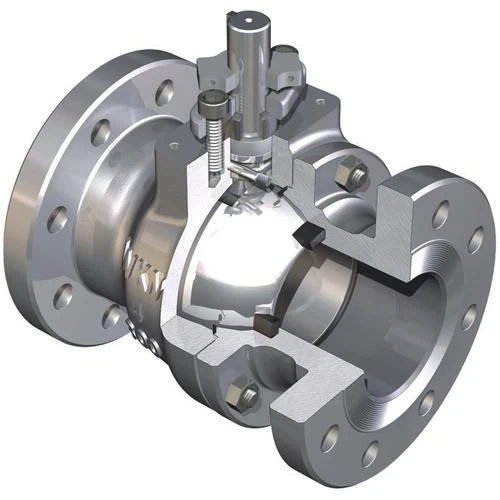
If you’re reading this and you’re someone who works in an industrial operation, or you’re a contractor looking for reliable valves, hit me up. I don’t do hard sells—just tell me what your system needs, and I can give you a straight shot on what bi-offset can do for you, no hidden fees, no jargon. I’ve got samples you can test, and I’ll even send a tech to your site to help figure out what size and type you need. Don’t waste money on valves that break or leak—bi-offset is the sweet spot, and I’ve got the stock and expertise to get you what you need fast.
Globe Valve References
- Industrial Valve Manufacturers Association. (2023). Global Butterfly Valve Market Demand & Growth Trends.
- Food and Drug Administration. (2022). Updated Sanitation Standards for Food Processing Equipment.
- U.S. Environmental Protection Agency. (2023). Water Infrastructure Efficiency Report: Municipal Pipeline Upgrades.
- Chemical Processing Magazine. (2022). Corrosion-Resistant Valve Solutions for Mid-Sized Industrial Facilities.
- Energy Star. (2023). Industrial Pump and Valve Energy Efficiency Savings Study.
Zhejiang Sunawei Valve Co., Ltd.
As one of the most professional bi-offset butterfly manufacturers and suppliers in China, we offer a wide range of valves with superior quality. Please feel free to wholesale high quality bi-offset butterfly at competitive price from our factory. We also accept customized orders.
Address: Anfeng Industrial, Oubei Town, Wenzhou City, Zhejiang, China
E-mail: snv@sunawevalve.com
WebSite: https://www.sunay-valves.com/
